Mix design
Choose aggregate and cement content with the final look in mind. A mix that finishes well and has attractive aggregate gives better results.
Finishing and curing
A hard, well-troweled finish and proper curing give a harder surface. Some curing compounds interfere with polishing, so choose compatible ones.
Joints
Plan joints to align with the design. Saw cuts at the right time reduce random cracking.
Protect it
Keep the slab clean and protected during construction. Stains and scratches add grinding time later.
Planning with the builder
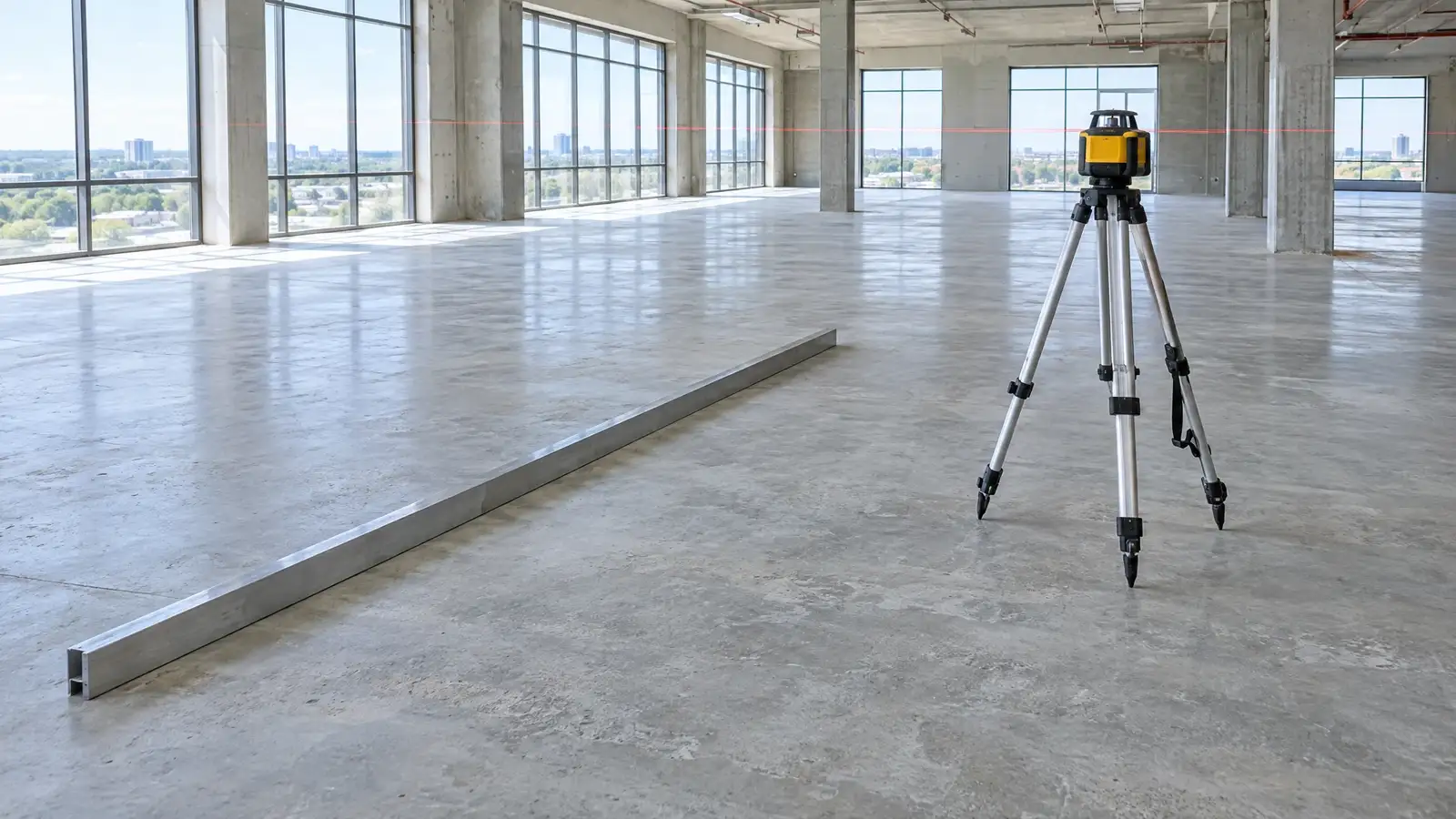
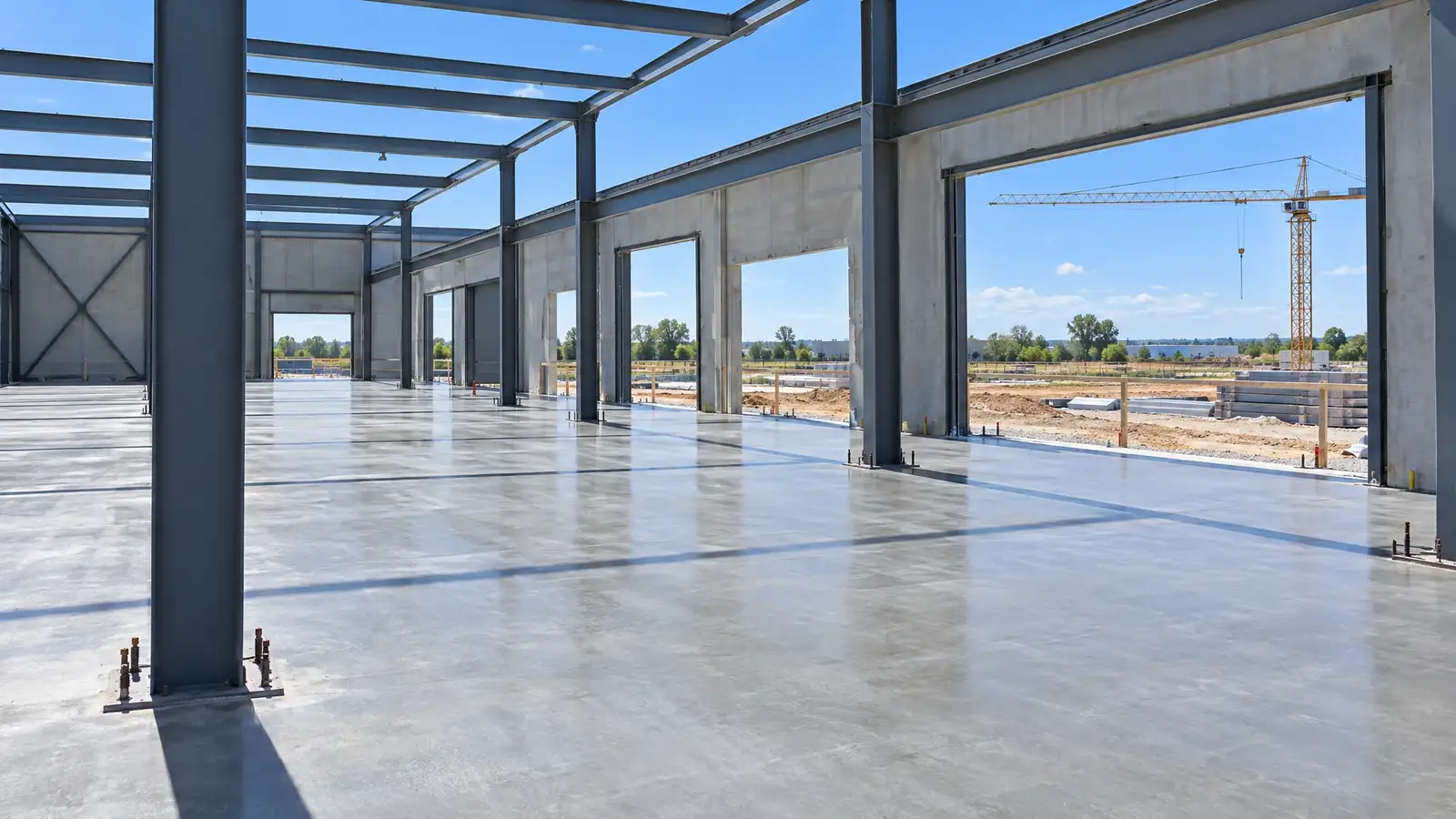
Talk to your polishing contractor before the slab is poured. The mix, the finishing method, the timing of curing and the placement of joints all affect how a polished floor will look.
Protecting the slab during construction
Other trades can stain, scratch and spill on a slab that will later be polished. Covers, clean work habits and sealed edges protect the surface and reduce correction work later.
When to polish
Polishing is usually done late in the schedule, after heavy trades have finished. Doing it too early risks damage, and doing it too late can delay opening. A simple phased plan avoids both problems.
Quick answers
When should we polish?
Late in the build, after heavy trades are done.
Can we pour a polish-ready slab?
Yes, with the right mix, finishing and protection.